Platform comparison
| Platform | YES odds | NO odds | Fee | KYC | Settlement | |
|---|---|---|---|---|---|---|
Who Will Win Pick polygram.ink |
0% | 100% | 0% (USDC on-chain) | No-KYC up to $1,500 | USDC, auto via UMA oracle | Open on Who Will Win → |
Polymarket polymarket.com |
0% | 100% | 0% | Geo-blocked in US/UK/EU | USDC, on-chain | Open on Who Will Win → |
Kalshi kalshi.com |
— | — | Up to 7% per trade | US-only, KYC required | USD | Open on Who Will Win → |
Betfair Exchange betfair.com |
— | — | 2-5% commission | Full KYC from first trade | GBP / EUR | Open on Who Will Win → |
Manifold Markets manifold.markets |
— | — | Play-money (mana) | None — play-money | Mana (no cash-out) | Open on Who Will Win → |
Live odds for Polymarket-based markets come from the Polygon order book. Non-Polymarket venues show attributes only; clicking any row opens the market on Who Will Win.
Active sub-markets
| September 30 | 0% YES | 100% NO |
| December 31 | 0% YES | 100% NO |
| October 31 | 0% YES | 100% NO |
| November 30 | 0% YES | 100% NO |
| January 31 | 0% YES | 100% NO |
| March 31 | 0% YES | 100% NO |
Market context
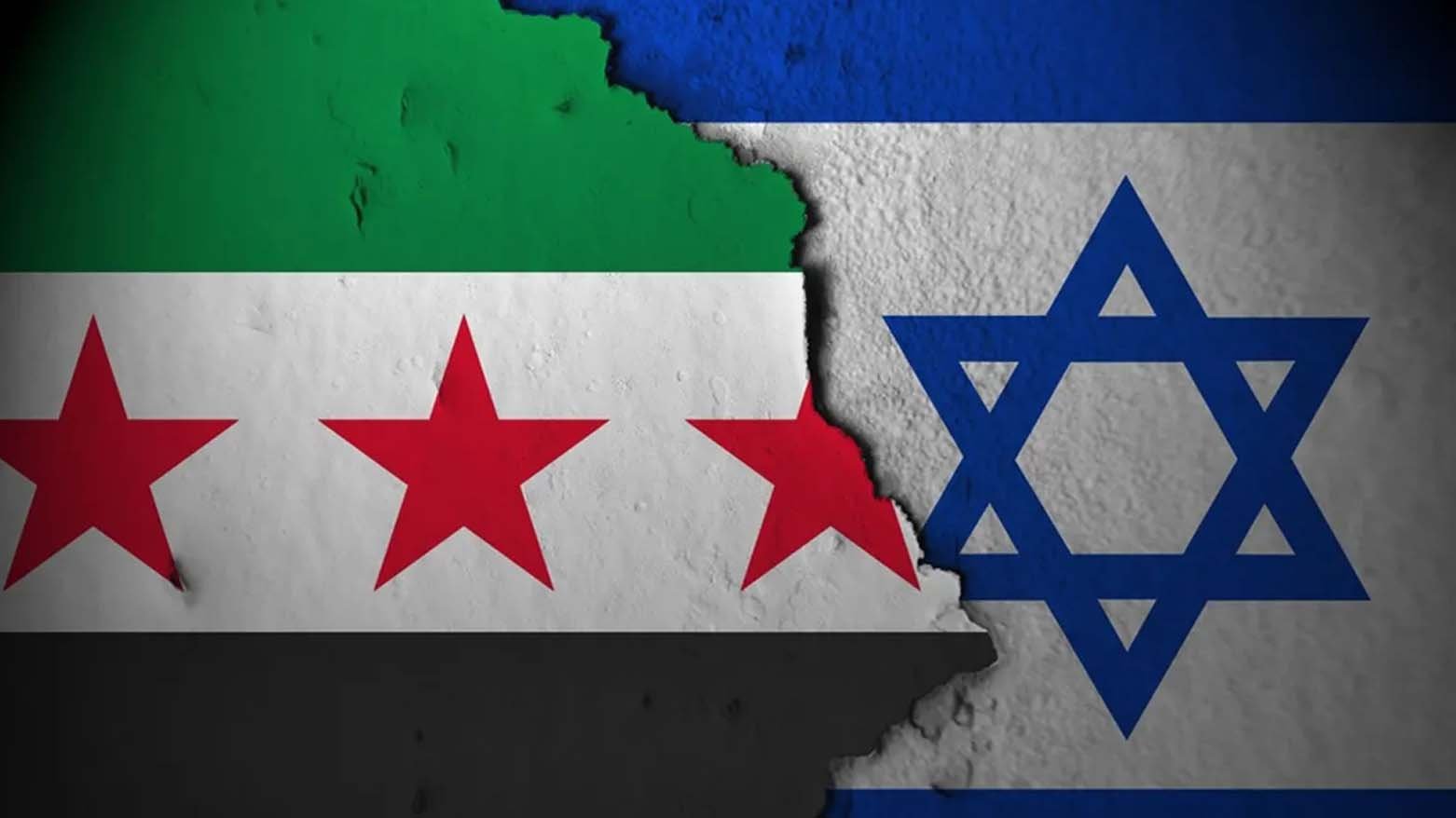
Israel and Syria have no formal security framework despite sharing a 76-kilometre border demarcated by the 1974 Disengagement of Forces Agreement. Direct bilateral negotiations on security arrangements remain absent, with the two states maintaining a de facto ceasefire through UN-mediated mechanisms rather than mutual accord. The 0% implied probability reflects the current diplomatic impasse: Syria's government has prioritised reconstruction following its civil war, whilst Israel has focused security efforts on Gaza, Lebanon, and Iran-aligned actors rather than formalising ties with Damascus.
Historical precedent suggests such agreements emerge only after major geopolitical shifts or mutual strategic necessity. Israel's 1979 peace treaty with Egypt and 1994 agreement with Jordan both followed military confrontation and required sustained international mediation. Syria's position differs markedly: the Assad government faces legitimacy questions internationally, lacks leverage to negotiate from strength, and has historically viewed any normalisation as capitulation. The July 2024 border skirmishes, whilst contained, did not produce momentum towards formal talks.
Traders should monitor three variables before end-September 2025. First, any shift in Syria's reconstruction priorities or international standing that might incentivise diplomatic engagement. Second, Israeli strategic recalibration following developments in Lebanon or Gaza that could redirect focus northward. Third, whether regional powers—particularly the United States or Gulf states—signal willingness to broker talks. Reuters reported in November 2024 that Syria's new government was consolidating power rather than pursuing external agreements, suggesting near-term movement remains unlikely despite the extended settlement window.
Methodology
We track Israel x Syria security agreement by 2025? on the five venues with material liquidity for prediction markets. Live odds come from the Polymarket Polygon order book — the only source that ships real-time data under an open licence. For Kalshi, Betfair and Manifold we list platform attributes (fee, KYC, settlement, payment) instead of fabricated odds, because their APIs use non-comparable contract definitions.
Resolution & payout
Settlement runs on-chain. Polymarket's contract logic separates YES and NO shares as conditional tokens; at resolution the winning share lifts to $1.00 and the losing one to $0. The outcome input comes from the UMA Optimistic Oracle, which secures against bad resolution with a bond + dispute window.
Once finalised, the smart contract pays USDC to the holders' wallets within minutes — no withdrawal fees beyond Polygon network gas. Kalshi settles in USD via CFTC clearance, Betfair in account currency net of commission, Manifold in play-money mana with no cash-out.
FAQ
- How does resolution work?
- Through the UMA Optimistic Oracle on Polygon: a proposer submits the outcome, a two-hour challenge window opens, and USDC payouts settle automatically once the result is final.
- What's the difference between YES and NO shares?
- A YES share pays $1.00 if the event happens, $0 otherwise. A NO share pays $1.00 if the event doesn't happen. The market price between 0¢ and 100¢ is the implied probability.
- What does it cost to trade on Who Will Win?
- Zero. Who Will Win routes every order to the live Polymarket order book; the only cost is the Polygon network fee, typically under $0.01 per transaction.
- How fast are USDC deposits?
- Polygon credits deposits after 12 confirmations — usually under 30 seconds. Withdrawals follow the same path and land back in your wallet within minutes.
- Do I need to KYC for this market?
- Not under $1,500 of lifetime trading volume. Above that threshold, Who Will Win triggers a quick verification flow that finishes in minutes.
%22%2F%3E%3Cpath%20d%3D%22M%206%2066%20A%2026%2026%200%200%201%2058%2066%22%20fill%3D%22%23E6B98D%22%20opacity%3D%220.9%22%2F%3E%3Ccircle%20cx%3D%2232%22%20cy%3D%2226%22%20r%3D%2222%22%20fill%3D%22%23F5CBA7%22%2F%3E%3Crect%20x%3D%2214%22%20y%3D%224%22%20width%3D%2236%22%20height%3D%228%22%20rx%3D%224%22%20fill%3D%22%23facc15%22%2F%3E%3C%2Fsvg%3E) and
and%22%2F%3E%3Cpath%20d%3D%22M%206%2066%20A%2026%2026%200%200%201%2058%2066%22%20fill%3D%22%23E6B98D%22%20opacity%3D%220.9%22%2F%3E%3Ccircle%20cx%3D%2232%22%20cy%3D%2226%22%20r%3D%2222%22%20fill%3D%22%23F5CBA7%22%2F%3E%3Crect%20x%3D%2210%22%20y%3D%224%22%20width%3D%2244%22%20height%3D%2214%22%20rx%3D%227%22%20fill%3D%22%23facc15%22%20opacity%3D%220.9%22%2F%3E%3Crect%20x%3D%228%22%20%20y%3D%2218%22%20width%3D%228%22%20%20height%3D%2218%22%20rx%3D%224%22%20fill%3D%22%23facc15%22%20opacity%3D%220.7%22%2F%3E%3Crect%20x%3D%2248%22%20y%3D%2218%22%20width%3D%228%22%20%20height%3D%2218%22%20rx%3D%224%22%20fill%3D%22%23facc15%22%20opacity%3D%220.7%22%2F%3E%3C%2Fsvg%3E)
Trade Israel x Syria security agreement by 2025? on Who Will Win
Live order book, 0% fees, USDC settlement in seconds.
Trade on Who Will Win →