Platform comparison
| Platform | YES odds | NO odds | Fee | KYC | Settlement | |
|---|---|---|---|---|---|---|
Polymarket (via Who Will Win) Pick polygram.ink (preferred broker) |
32% | 68% | 0% (USDC on-chain) | No-KYC up to $1,500 | USDC, auto via UMA oracle | Live odds → |
Polymarket (direct) polymarket.com |
32% | 68% | 0% | Geo-blocked in US/UK/EU | USDC, on-chain | Live odds → |
Kalshi kalshi.com |
— | — | Up to 7% per trade | US-only, KYC required | USD | Live odds → |
Betfair Exchange betfair.com |
— | — | 2-5% commission | Full KYC from first trade | GBP / EUR | Live odds → |
Manifold Markets manifold.markets |
— | — | Play-money (mana) | None — play-money | Mana (no cash-out) | Live odds → |
Outcome probabilities
Current market-implied probability for each outcome, from the live order book.
| Outcome | Probability |
|---|---|
| December 31 | 32% |
| July 31 | 16% |
| June 30 | 1% |
Market context
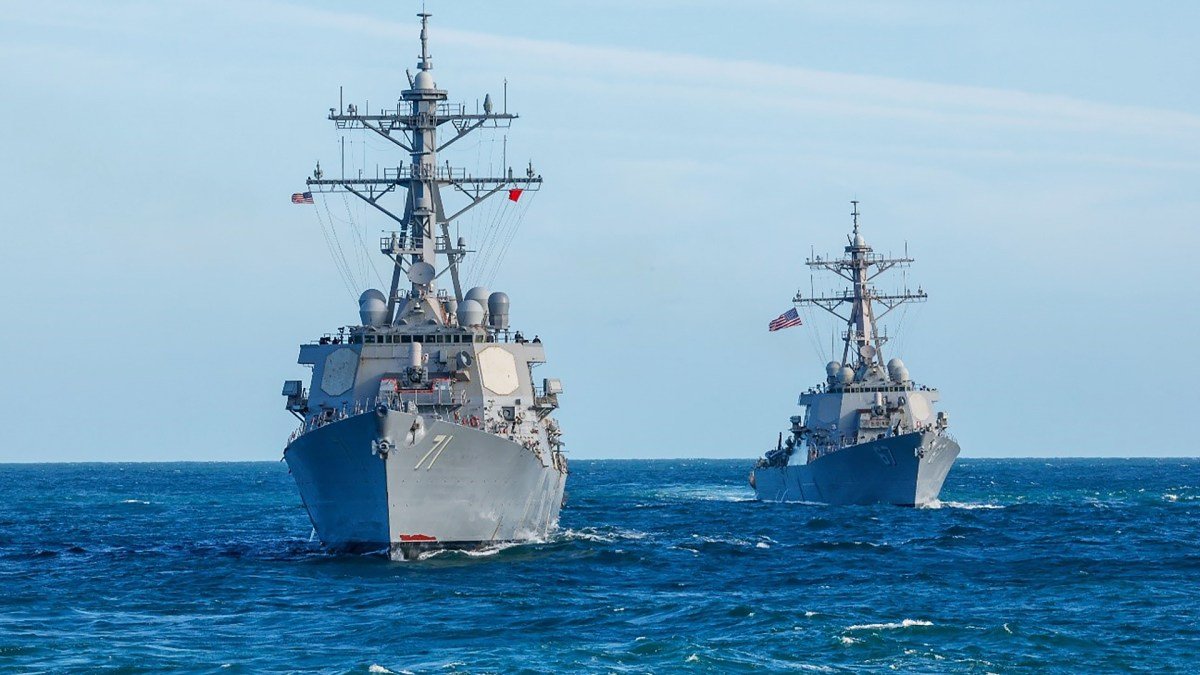
The United States has already imposed a naval blockade on Iran, which took effect on 13 April 2026 following the collapse of the Islamabad Talks and the outbreak of the 2026 Iran war[1]. This real-world event means the market’s core condition—a public, official announcement of a blockade—has been satisfied, rendering the 32% crowd-implied probability for “Yes” a mispricing of settled facts rather than a forecast of future uncertainty[1].
Historically, naval blockades of this scale are unprecedented in recent decades, with the U.S. military offering limited operational details while enforcing the measure impartially against all nations[5]. The blockade has already disrupted roughly two million barrels per day of Iranian oil exports, inflicting nearly $6bn in revenue losses by May and forcing Iran to reopen the Strait of Hormuz under a ceasefire agreement[7]. Traders should note that the announcement need not specify full scope or duration, and even a partial blockade qualifies—meaning the April 12 announcement by President Trump, confirmed by CENTCOM on 13 April, fulfills the market’s criteria[2].
Key catalysts to monitor include the formal signing of the peace agreement on 19 June, which CENTCOM has stated will lift the blockade, and any subsequent U.S. statements clarifying whether the blockade remains active pending that signature[1]. While Iran briefly closed the Strait again on 18 April, it later declared the passage fully open, suggesting the blockade’s strategic pressure is yielding results[3]. The consensus appears to be betting on a future reversal, but the value lies in recognising that the announcement event has already occurred, making “Yes” the clear favourite despite the underdog pricing[1]. Contrarian angles may focus on whether the market conflates “announcement” with “ongoing enforcement,” but the terms are explicit: the event is the announcement, not the duration[2].
Methodology
We track US announces blockade on Iran by 2026? across the five venues with material prediction-market liquidity. The probability shown is the live Polymarket mid; the comparison rows summarise how each venue treats the underlying contract — fees, KYC thresholds, settlement currency, deposit options. The highlighted row marks the cheapest route into Polymarket's order book.
Resolution & payout
Settlement runs on-chain. Polymarket's contract logic separates YES and NO shares as conditional tokens; at resolution the winning share lifts to $1.00 and the losing one to $0. The outcome input comes from the UMA Optimistic Oracle, which secures against bad resolution with a bond + dispute window.
Once finalised, the smart contract pays USDC to the holders' wallets within minutes — no withdrawal fees beyond Polygon network gas. Kalshi settles in USD via CFTC clearance, Betfair in account currency net of commission, Manifold in play-money mana with no cash-out.
FAQ
- How does resolution work?
- Through the UMA Optimistic Oracle on Polygon: a proposer submits the outcome, a two-hour challenge window opens, and USDC payouts settle automatically once the result is final.
- What's the difference between YES and NO shares?
- A YES share pays $1.00 if the event happens, $0 otherwise. A NO share pays $1.00 if the event doesn't happen. The market price between 0¢ and 100¢ is the implied probability.
- What does Polymarket cost to trade?
- Polymarket itself charges 0% — the only cost is the Polygon network fee, typically under $0.01 per transaction. Off-chain venues like Kalshi or Betfair charge 2-7% commission.
- How fast are USDC deposits?
- Polygon credits deposits after 12 confirmations — usually under 30 seconds. Withdrawals follow the same path and land back in your wallet within minutes.
- How reliable are the quoted odds?
- The YES/NO percentages are the live mid-prices of the Polymarket order book. On deep markets they move every few seconds; on thinner ones you'll see short plateaus.
%22%2F%3E%3Cpath%20d%3D%22M%206%2066%20A%2026%2026%200%200%201%2058%2066%22%20fill%3D%22%23E6B98D%22%20opacity%3D%220.9%22%2F%3E%3Ccircle%20cx%3D%2232%22%20cy%3D%2226%22%20r%3D%2222%22%20fill%3D%22%23F5CBA7%22%2F%3E%3Crect%20x%3D%2214%22%20y%3D%224%22%20width%3D%2236%22%20height%3D%228%22%20rx%3D%224%22%20fill%3D%22%23facc15%22%2F%3E%3C%2Fsvg%3E) and
and%22%2F%3E%3Cpath%20d%3D%22M%206%2066%20A%2026%2026%200%200%201%2058%2066%22%20fill%3D%22%23E6B98D%22%20opacity%3D%220.9%22%2F%3E%3Ccircle%20cx%3D%2232%22%20cy%3D%2226%22%20r%3D%2222%22%20fill%3D%22%23F5CBA7%22%2F%3E%3Crect%20x%3D%2210%22%20y%3D%224%22%20width%3D%2244%22%20height%3D%2214%22%20rx%3D%227%22%20fill%3D%22%23facc15%22%20opacity%3D%220.9%22%2F%3E%3Crect%20x%3D%228%22%20%20y%3D%2218%22%20width%3D%228%22%20%20height%3D%2218%22%20rx%3D%224%22%20fill%3D%22%23facc15%22%20opacity%3D%220.7%22%2F%3E%3Crect%20x%3D%2248%22%20y%3D%2218%22%20width%3D%228%22%20%20height%3D%2218%22%20rx%3D%224%22%20fill%3D%22%23facc15%22%20opacity%3D%220.7%22%2F%3E%3C%2Fsvg%3E)
Trade US announces blockade on Iran by 2026? on Who Will Win
Live order book, 0% fees, USDC settlement in seconds.
Open live market →