Platform comparison
| Platform | YES odds | NO odds | Fee | KYC | Settlement | |
|---|---|---|---|---|---|---|
Polymarket (via Who Will Win) Pick polygram.ink (preferred broker) |
86% | 14% | 0% (USDC on-chain) | No-KYC up to $1,500 | USDC, auto via UMA oracle | Live odds → |
Polymarket (direct) polymarket.com |
86% | 14% | 0% | Geo-blocked in US/UK/EU | USDC, on-chain | Live odds → |
Kalshi kalshi.com |
— | — | Up to 7% per trade | US-only, KYC required | USD | Live odds → |
Betfair Exchange betfair.com |
— | — | 2-5% commission | Full KYC from first trade | GBP / EUR | Live odds → |
Manifold Markets manifold.markets |
— | — | Play-money (mana) | None — play-money | Mana (no cash-out) | Live odds → |
Outcome probabilities
Current market-implied probability for each outcome, from the live order book.
| Outcome | Probability |
|---|---|
| 40+ | 86% |
| 60+ | 46% |
| 80+ | 14% |
| 100+ | 6% |
Market context
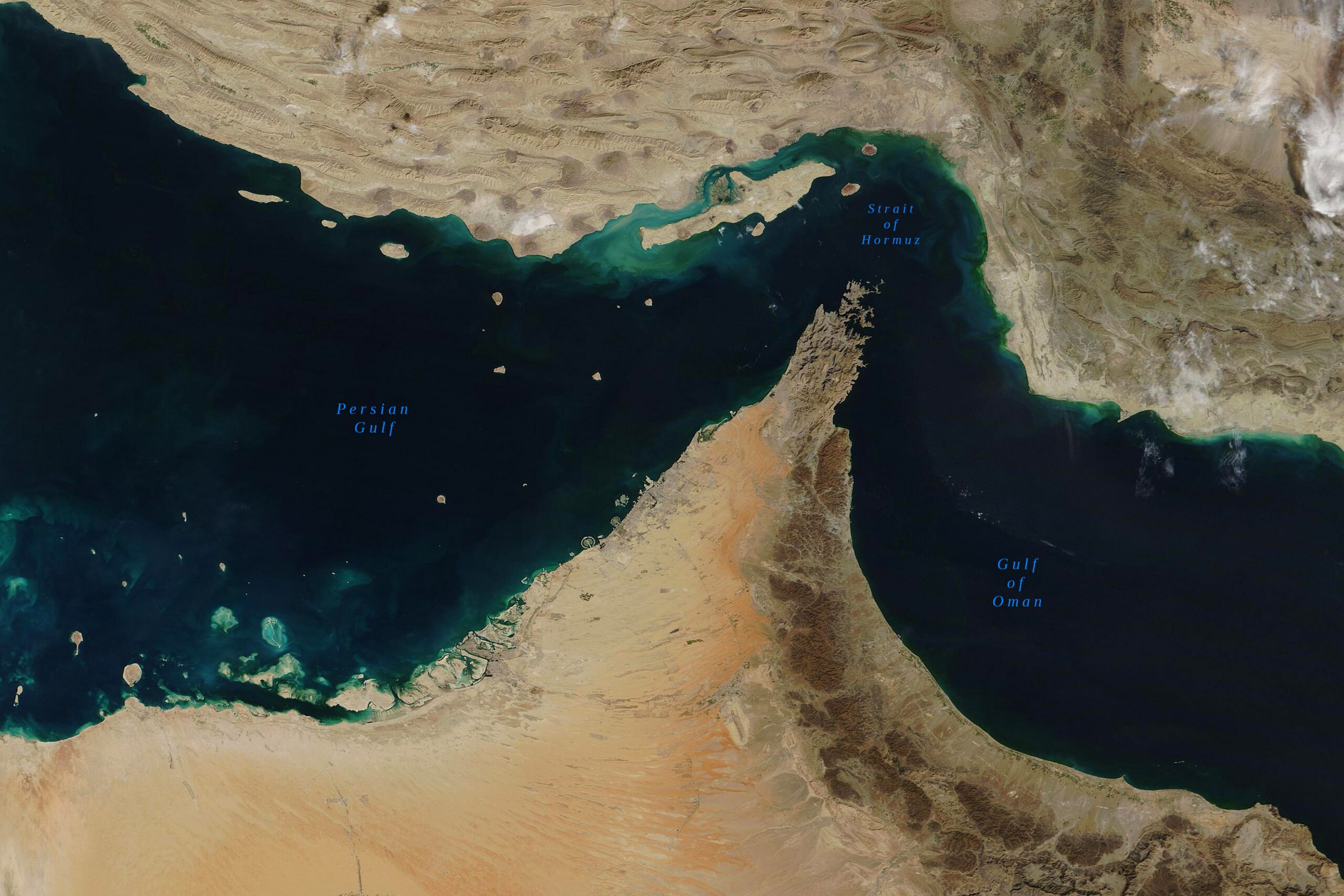
The Strait of Hormuz is currently choked by a severe operational stall, with zero commercial vessels moving outbound as of early June 2026, marking a critical bottleneck in global oil transit. This real-world paralysis directly underpins the 46% YES crowd-implied probability for the prediction market, which resolves based on IMF Portwatch data for any date up to July 31, 2026. The consensus leans heavily on the immediate continuation of this blockade, viewing the current silence as a permanent state rather than a temporary glitch. However, value may sit with the contrarian angle that the US-Iran agreement, finalized on June 17, will force a rapid reopening before the settlement window closes, as the memorandum explicitly guarantees commercial navigation will commence immediately[2].
Historically, the Strait has seen over 30,000 vessels pass annually, with daily oil volumes surpassing 20 million barrels in 2022, making the current zero-traffic anomaly a stark deviation from the norm[8]. Comparable cases of sudden closures, such as the sharp traffic drop following a commercial ship strike in February 2026, suggest that disruptions are often acute but reversible once security risks are mitigated[3][9]. The market is effectively betting on whether the "best efforts" clause in the US-Iran MOU will be honoured by Iran to restore pre-war traffic levels before the July 19 deadline for the US naval blockade lift[2]. Traders should watch the July 19 deadline closely, as the US is required to lift its blockade by then, a dependency that could trigger a surge in transit calls if enforced[2]. Recent data from AXSMarine noted 25 commercial vessels traversing the strait on Thursday, the highest volume since April, indicating the reopening process may already be underway[2]. If this momentum continues, the threshold for a YES resolution could be easily breached, offering a potential underdog value spot against the prevailing bearish consensus.
Methodology
This page reviews Will 2026 ships transit the Strait of Hormuz on any day by July 31? across five venues. The live probability is the Polymarket mid-price, sourced directly from the on-chain Polygon order book; the comparison columns benchmark each venue on fee structure, KYC, settlement currency and payment rails. Every CTA routes to Who Will Win, which mirrors the Polymarket order book at 0% fees.
Resolution & payout
Settlement runs on-chain. Polymarket's contract logic separates YES and NO shares as conditional tokens; at resolution the winning share lifts to $1.00 and the losing one to $0. The outcome input comes from the UMA Optimistic Oracle, which secures against bad resolution with a bond + dispute window.
Once finalised, the smart contract pays USDC to the holders' wallets within minutes — no withdrawal fees beyond Polygon network gas. Kalshi settles in USD via CFTC clearance, Betfair in account currency net of commission, Manifold in play-money mana with no cash-out.
FAQ
- How does resolution work?
- Through the UMA Optimistic Oracle on Polygon: a proposer submits the outcome, a two-hour challenge window opens, and USDC payouts settle automatically once the result is final.
- What's the difference between YES and NO shares?
- A YES share pays $1.00 if the event happens, $0 otherwise. A NO share pays $1.00 if the event doesn't happen. The market price between 0¢ and 100¢ is the implied probability.
- What does Polymarket cost to trade?
- Polymarket itself charges 0% — the only cost is the Polygon network fee, typically under $0.01 per transaction. Off-chain venues like Kalshi or Betfair charge 2-7% commission.
- How fast are USDC deposits?
- Polygon credits deposits after 12 confirmations — usually under 30 seconds. Withdrawals follow the same path and land back in your wallet within minutes.
- Do I need to KYC for this market?
- On Polymarket directly, no — it's wallet-based. Intermediary brokers like Who Will Win trigger KYC only above $1,500 of lifetime trading volume; under that you trade pseudonymously with a single wallet address.
%22%2F%3E%3Cpath%20d%3D%22M%206%2066%20A%2026%2026%200%200%201%2058%2066%22%20fill%3D%22%23E6B98D%22%20opacity%3D%220.9%22%2F%3E%3Ccircle%20cx%3D%2232%22%20cy%3D%2226%22%20r%3D%2222%22%20fill%3D%22%23F5CBA7%22%2F%3E%3Crect%20x%3D%2214%22%20y%3D%224%22%20width%3D%2236%22%20height%3D%228%22%20rx%3D%224%22%20fill%3D%22%23facc15%22%2F%3E%3C%2Fsvg%3E) and
and%22%2F%3E%3Cpath%20d%3D%22M%206%2066%20A%2026%2026%200%200%201%2058%2066%22%20fill%3D%22%23E6B98D%22%20opacity%3D%220.9%22%2F%3E%3Ccircle%20cx%3D%2232%22%20cy%3D%2226%22%20r%3D%2222%22%20fill%3D%22%23F5CBA7%22%2F%3E%3Crect%20x%3D%2210%22%20y%3D%224%22%20width%3D%2244%22%20height%3D%2214%22%20rx%3D%227%22%20fill%3D%22%23facc15%22%20opacity%3D%220.9%22%2F%3E%3Crect%20x%3D%228%22%20%20y%3D%2218%22%20width%3D%228%22%20%20height%3D%2218%22%20rx%3D%224%22%20fill%3D%22%23facc15%22%20opacity%3D%220.7%22%2F%3E%3Crect%20x%3D%2248%22%20y%3D%2218%22%20width%3D%228%22%20%20height%3D%2218%22%20rx%3D%224%22%20fill%3D%22%23facc15%22%20opacity%3D%220.7%22%2F%3E%3C%2Fsvg%3E)
Trade Will 2026 ships transit the Strait of Hormuz on any … on Who Will Win
Live order book, 0% fees, USDC settlement in seconds.
Open live market →