Platform comparison
| Platform | YES odds | NO odds | Fee | KYC | Settlement | |
|---|---|---|---|---|---|---|
Who Will Win Pick polygram.ink |
54% | 46% | 0% (USDC on-chain) | No-KYC up to $1,500 | USDC, auto via UMA oracle | Open on Who Will Win → |
Polymarket polymarket.com |
54% | 46% | 0% | Geo-blocked in US/UK/EU | USDC, on-chain | Open on Who Will Win → |
Kalshi kalshi.com |
— | — | Up to 7% per trade | US-only, KYC required | USD | Open on Who Will Win → |
Betfair Exchange betfair.com |
— | — | 2-5% commission | Full KYC from first trade | GBP / EUR | Open on Who Will Win → |
Manifold Markets manifold.markets |
— | — | Play-money (mana) | None — play-money | Mana (no cash-out) | Open on Who Will Win → |
Live odds for Polymarket-based markets come from the Polygon order book. Non-Polymarket venues show attributes only; clicking any row opens the market on Who Will Win.
Active sub-markets
| Ed Miliband | 54% YES | 47% NO |
| Torsten Bell | 0% YES | 100% NO |
| Person G | 50% YES | 50% NO |
| Person F | 50% YES | 50% NO |
| Person H | 50% YES | 50% NO |
| Person L | 50% YES | 50% NO |
Market context
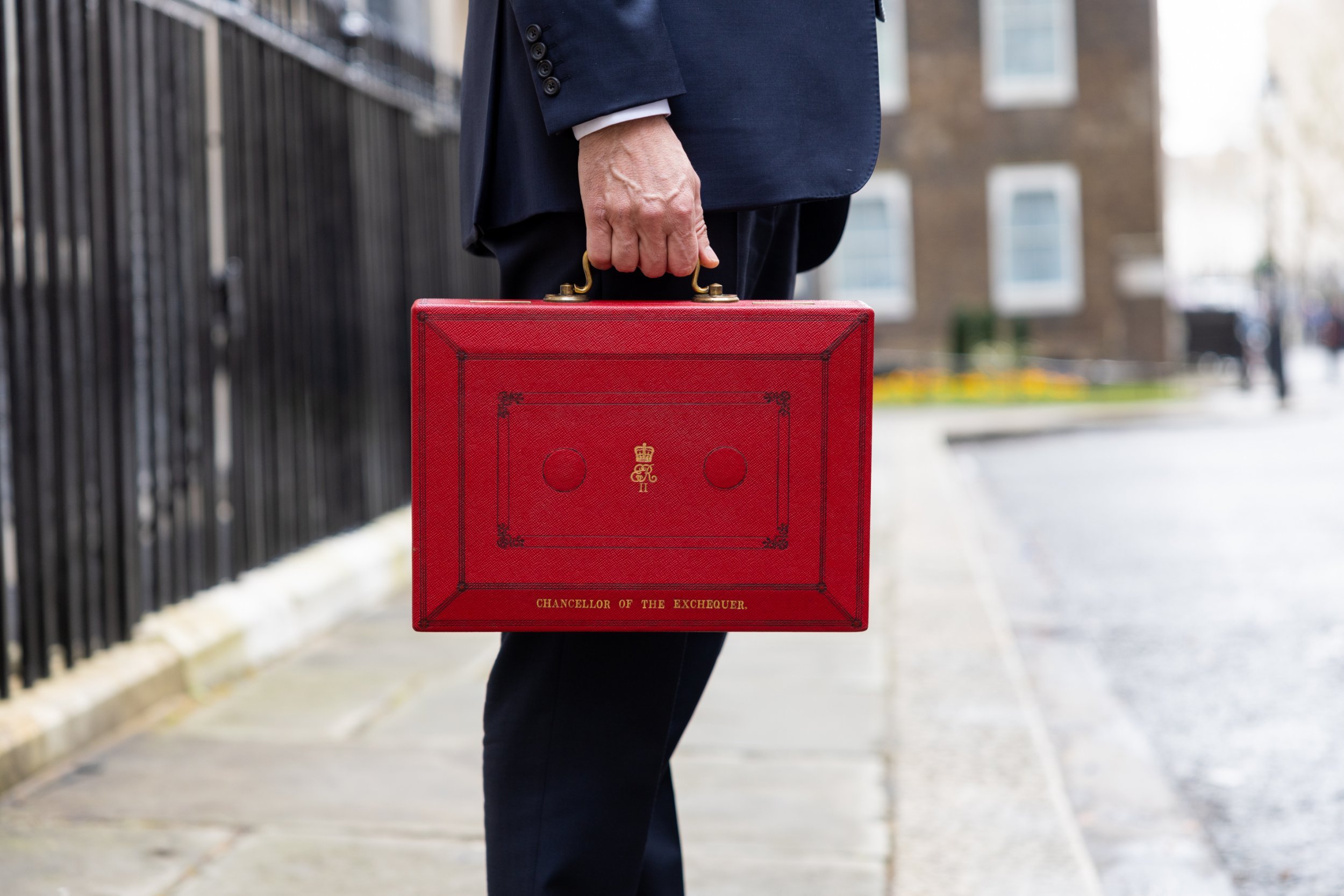
The underlying event is whether the United Kingdom will appoint a new Chancellor of the Exchequer by the end of 2026, excluding any re-appointment of the current incumbent Rachel Reeves. With the market implying a 54% chance of a new appointment, the consensus heavily favours Wes Streeting as the successor, viewing him as the runaway favourite on prediction platforms like Polymarket[1][2]. Historical precedents suggest that when a senior minister rules out a leadership contest, they often become the natural choice for the Treasury, a pattern currently reinforcing Streeting’s position despite centre-left Labour preferences for Ed Miliband[3]. This creates a value spot for contrarian traders who might argue that internal party dynamics could still disrupt Streeting’s path, offering odds that may not fully price in the risk of a Miliband appointment or a prolonged incumbency.
Traders should monitor upcoming Treasury Committee schedules and any sudden shifts in Labour’s internal leadership discussions, as these are the primary catalysts for a change in chancellorship. Recent questioning of Rachel Reeves by the Treasury Committee regarding the Spring Statement for 2026 highlights the scrutiny on her tenure, which could accelerate a replacement if economic pressures mount[5]. While no definitive announcement has been made, the market’s current pricing assumes a smooth transition to Streeting, yet the value may lie in betting against this certainty if Labour’s centre-left faction successfully pushes for Miliband. The settlement window ending 31 December 2026 means any delay in appointment or a re-appointment of Reeves will resolve the market to “No next Chancellor in 2026”, making the timing of the next major government reshuffle the critical dependency to watch.
Methodology
This page is a comparison snapshot: one live quote (Polymarket), four reference venues with their key attributes, and a single execution path — every trade button routes to Who Will Win, which mirrors the Polymarket order book directly.
Resolution & payout
Settlement runs on-chain. Polymarket's contract logic separates YES and NO shares as conditional tokens; at resolution the winning share lifts to $1.00 and the losing one to $0. The outcome input comes from the UMA Optimistic Oracle, which secures against bad resolution with a bond + dispute window.
Once finalised, the smart contract pays USDC to the holders' wallets within minutes — no withdrawal fees beyond Polygon network gas. Kalshi settles in USD via CFTC clearance, Betfair in account currency net of commission, Manifold in play-money mana with no cash-out.
FAQ
- What's the difference between YES and NO shares?
- A YES share pays $1.00 if the event happens, $0 otherwise. A NO share pays $1.00 if the event doesn't happen. The market price between 0¢ and 100¢ is the implied probability.
- What does it cost to trade on Who Will Win?
- Zero. Who Will Win routes every order to the live Polymarket order book; the only cost is the Polygon network fee, typically under $0.01 per transaction.
- How fast are USDC deposits?
- Polygon credits deposits after 12 confirmations — usually under 30 seconds. Withdrawals follow the same path and land back in your wallet within minutes.
- Do I need to KYC for this market?
- Not under $1,500 of lifetime trading volume. Above that threshold, Who Will Win triggers a quick verification flow that finishes in minutes.
- How reliable are the quoted odds?
- The YES/NO percentages are the live mid-prices of the Polymarket order book. On deep markets they move every few seconds; on thinner ones you'll see short plateaus.
%22%2F%3E%3Cpath%20d%3D%22M%206%2066%20A%2026%2026%200%200%201%2058%2066%22%20fill%3D%22%23E6B98D%22%20opacity%3D%220.9%22%2F%3E%3Ccircle%20cx%3D%2232%22%20cy%3D%2226%22%20r%3D%2222%22%20fill%3D%22%23F5CBA7%22%2F%3E%3Crect%20x%3D%2214%22%20y%3D%224%22%20width%3D%2236%22%20height%3D%228%22%20rx%3D%224%22%20fill%3D%22%23facc15%22%2F%3E%3C%2Fsvg%3E) and
and%22%2F%3E%3Cpath%20d%3D%22M%206%2066%20A%2026%2026%200%200%201%2058%2066%22%20fill%3D%22%23E6B98D%22%20opacity%3D%220.9%22%2F%3E%3Ccircle%20cx%3D%2232%22%20cy%3D%2226%22%20r%3D%2222%22%20fill%3D%22%23F5CBA7%22%2F%3E%3Crect%20x%3D%2210%22%20y%3D%224%22%20width%3D%2244%22%20height%3D%2214%22%20rx%3D%227%22%20fill%3D%22%23facc15%22%20opacity%3D%220.9%22%2F%3E%3Crect%20x%3D%228%22%20%20y%3D%2218%22%20width%3D%228%22%20%20height%3D%2218%22%20rx%3D%224%22%20fill%3D%22%23facc15%22%20opacity%3D%220.7%22%2F%3E%3Crect%20x%3D%2248%22%20y%3D%2218%22%20width%3D%228%22%20%20height%3D%2218%22%20rx%3D%224%22%20fill%3D%22%23facc15%22%20opacity%3D%220.7%22%2F%3E%3C%2Fsvg%3E)
Trade Next UK Chancellor of the Exchequer in 2026? on Who Will Win
Live order book, 0% fees, USDC settlement in seconds.
Trade on Who Will Win →