Platform comparison
| Platform | YES odds | NO odds | Fee | KYC | Settlement | |
|---|---|---|---|---|---|---|
Who Will Win Pick polygram.ink |
0% | 100% | 0% (USDC on-chain) | No-KYC up to $1,500 | USDC, auto via UMA oracle | Open on Who Will Win → |
Polymarket polymarket.com |
0% | 100% | 0% | Geo-blocked in US/UK/EU | USDC, on-chain | Open on Who Will Win → |
Kalshi kalshi.com |
— | — | Up to 7% per trade | US-only, KYC required | USD | Open on Who Will Win → |
Betfair Exchange betfair.com |
— | — | 2-5% commission | Full KYC from first trade | GBP / EUR | Open on Who Will Win → |
Manifold Markets manifold.markets |
— | — | Play-money (mana) | None — play-money | Mana (no cash-out) | Open on Who Will Win → |
Live odds for Polymarket-based markets come from the Polygon order book. Non-Polymarket venues show attributes only; clicking any row opens the market on Who Will Win.
Active sub-markets
Market context
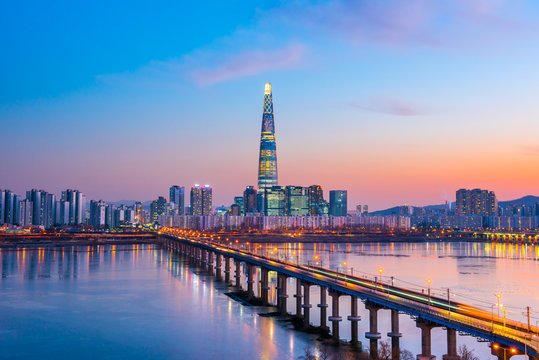
The highest temperature recorded at Incheon International Airport on 31 May 2026 will determine which temperature band wins this market. The 0% crowd probability suggests traders are either absent or unconvinced any single range will capture the day's peak. Seoul's late May climate typically sits between 24–28°C, with occasional spikes toward 30°C during early heat waves, making the outcome far from certain despite the current odds.
Historical May 31st data from Incheon shows considerable variability. Over the past two decades, highs on this date have ranged from 20°C in cooler years to 31°C during warmer springs. The 2020 reading was 27°C; 2019 saw 25°C. This scatter explains why consensus has collapsed into a 0% position—no single range commands obvious favourability without knowing whether 2026 will track cooler or warmer than the 25–27°C median. The absence of strong conviction creates potential value in mid-range temperatures (25–28°C) that reflect climatological norms rather than outlier scenarios.
Late May in South Korea sits at the boundary between spring and early summer, with the East Asian monsoon system beginning to influence regional weather patterns. The Korea Meteorological Administration publishes seasonal outlooks that traders should monitor as May 2026 approaches; any forecast suggesting above-average temperatures or early heat waves would shift probabilities toward higher bands. Conversely, delayed warming or lingering cool air masses would favour lower ranges. Current market inactivity likely reflects the 18-month distance to settlement, but traders entering now have time to build positions before seasonal forecasts sharpen the picture.
Methodology
Methodologically we separate two layers: the live probability (Polymarket mid-price) and the platform attributes (fee, KYC, settlement currency, payment rails). The odds column is filled only where we have clean data — that avoids the made-up numbers that get a network demoted when search engines cross-check against the source venue.
Resolution & payout
Settlement runs on-chain. Polymarket's contract logic separates YES and NO shares as conditional tokens; at resolution the winning share lifts to $1.00 and the losing one to $0. The outcome input comes from the UMA Optimistic Oracle, which secures against bad resolution with a bond + dispute window.
Once finalised, the smart contract pays USDC to the holders' wallets within minutes — no withdrawal fees beyond Polygon network gas. Kalshi settles in USD via CFTC clearance, Betfair in account currency net of commission, Manifold in play-money mana with no cash-out.
FAQ
- Where can I trade this market with the lowest fees?
- On Who Will Win, which mirrors the Polymarket order book at 0% fees. Kalshi charges up to 7% per trade; Betfair Exchange takes 2-5% commission on net winnings.
- Is this market available outside the US?
- Who Will Win is available in most jurisdictions where Polymarket isn't directly accessible. Polymarket itself is geo-blocked in the US/UK/EU. Always check local regulations.
- What does it cost to trade on Who Will Win?
- Zero. Who Will Win routes every order to the live Polymarket order book; the only cost is the Polygon network fee, typically under $0.01 per transaction.
- How fast are USDC deposits?
- Polygon credits deposits after 12 confirmations — usually under 30 seconds. Withdrawals follow the same path and land back in your wallet within minutes.
- Do I need to KYC for this market?
- Not under $1,500 of lifetime trading volume. Above that threshold, Who Will Win triggers a quick verification flow that finishes in minutes.
%22%2F%3E%3Cpath%20d%3D%22M%206%2066%20A%2026%2026%200%200%201%2058%2066%22%20fill%3D%22%23E6B98D%22%20opacity%3D%220.9%22%2F%3E%3Ccircle%20cx%3D%2232%22%20cy%3D%2226%22%20r%3D%2222%22%20fill%3D%22%23F5CBA7%22%2F%3E%3Crect%20x%3D%2214%22%20y%3D%224%22%20width%3D%2236%22%20height%3D%228%22%20rx%3D%224%22%20fill%3D%22%23facc15%22%2F%3E%3C%2Fsvg%3E) and
and%22%2F%3E%3Cpath%20d%3D%22M%206%2066%20A%2026%2026%200%200%201%2058%2066%22%20fill%3D%22%23E6B98D%22%20opacity%3D%220.9%22%2F%3E%3Ccircle%20cx%3D%2232%22%20cy%3D%2226%22%20r%3D%2222%22%20fill%3D%22%23F5CBA7%22%2F%3E%3Crect%20x%3D%2210%22%20y%3D%224%22%20width%3D%2244%22%20height%3D%2214%22%20rx%3D%227%22%20fill%3D%22%23facc15%22%20opacity%3D%220.9%22%2F%3E%3Crect%20x%3D%228%22%20%20y%3D%2218%22%20width%3D%228%22%20%20height%3D%2218%22%20rx%3D%224%22%20fill%3D%22%23facc15%22%20opacity%3D%220.7%22%2F%3E%3Crect%20x%3D%2248%22%20y%3D%2218%22%20width%3D%228%22%20%20height%3D%2218%22%20rx%3D%224%22%20fill%3D%22%23facc15%22%20opacity%3D%220.7%22%2F%3E%3C%2Fsvg%3E)
Trade Highest temperature in Seoul on May 31? on Who Will Win
Live order book, 0% fees, USDC settlement in seconds.
Trade on Who Will Win →