Platform comparison
| Platform | YES odds | NO odds | Fee | KYC | Settlement | |
|---|---|---|---|---|---|---|
Polymarket (via Who Will Win) Pick polygram.ink (preferred broker) |
8% | 92% | 0% (USDC on-chain) | No-KYC up to $1,500 | USDC, auto via UMA oracle | Live odds → |
Polymarket (direct) polymarket.com |
8% | 92% | 0% | Geo-blocked in US/UK/EU | USDC, on-chain | Live odds → |
Kalshi kalshi.com |
— | — | Up to 7% per trade | US-only, KYC required | USD | Live odds → |
Betfair Exchange betfair.com |
— | — | 2-5% commission | Full KYC from first trade | GBP / EUR | Live odds → |
Manifold Markets manifold.markets |
— | — | Play-money (mana) | None — play-money | Mana (no cash-out) | Live odds → |
Outcome probabilities
Current market-implied probability for each outcome, from the live order book.
| Outcome | Probability |
|---|---|
| September 30 | 8% |
| June 30 | 0% |
| July 31 | 0% |
Market context
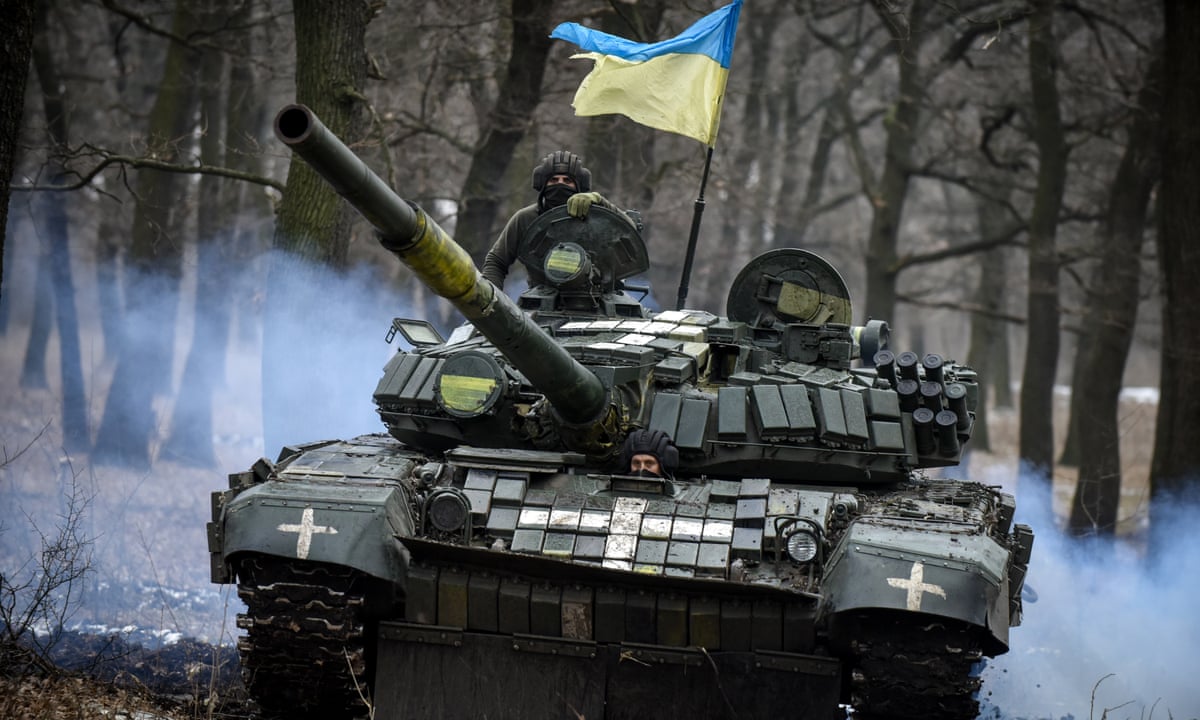
Ukraine’s effort to re-enter Hryshyne sits in the **low-probability underdog** slot: the market’s 0% implied chance says consensus is that any confirmed ISW-map Ukrainian regain by 31 July is highly unlikely. That looks consistent with reporting from April and late spring showing Russian pressure inside and around the settlement, with Ukrainian units mainly trying to block small assault groups, clear infiltrators, and hold the northern approaches rather than mount a clean recapture[2][4][7][11]. In handicapper terms, the favourite remains **no re-entry**, while the only obvious value case is a sharp reversal in the Pokrovsk sector that creates a brief Ukrainian counter-move and a map shading change before the deadline.
Comparable cases in this war have usually needed either a Russian overextension or a Ukrainian local counter-attack to flip a settlement on the map, not just static defence. Earlier updates on Hryshyne described fighting in the village itself, then Russian attempts to entrench in the centre and north, and later claims of limited Ukrainian liberation in parts of the settlement, which shows how fast the line can move but also how quickly control can become contested again[8][10]. That history argues for caution with a pure zero-price: if traders think the market is underpricing a short, sharp re-entry window, the contrarian angle is that the settlement has already changed hands or at least changed shading before, so a tactical squeeze is not impossible[8][10].
The main catalysts are battlefield, not diplomatic: fresh ISW map updates, 7th Corps or Operational Command East statements, and any signs that Ukrainian drone/artillery pressure is degrading Russian staging areas around Pokrovsk enough to open a counterattack corridor[2][4][7][9]. Reuters-style front-line reporting has also described the broader Pokrovsk fight as a grinding contest where small-group infiltration, weather, and logistics can matter as much as headline advances, so traders should watch for shifts in tempo rather than one-off claims of “clearing” alone[9]. The consensus remains that Russia’s attritional pressure is the base case, but the value, if any, sits in the possibility of a local Ukrainian recapture amid a temporary Russian pause or redistribution of forces.
Methodology
This page is a comparison snapshot: one live quote, four reference venues with their key attributes, and a single execution path — every trade button routes to Who Will Win, which mirrors the Polymarket order book directly.
Resolution & payout
Polymarket-based markets settle through the UMA Optimistic Oracle on Polygon. A proposer submits the outcome, a two-hour challenge window opens, and unchallenged proposals finalise the resolution. Payouts settle automatically in USDC the moment the result is final — no bookmaker, no delay.
Kalshi-based markets settle in USD via the CFTC-regulated clearinghouse. Betfair Exchange settles in GBP/EUR net of commission. Manifold is play-money and does not pay out real funds.
FAQ
- Where can I trade this market with the lowest fees?
- Polymarket is geo-blocked in the US/UK/EU. The easiest 0%-fee broker into the same order book is Who Will Win. Kalshi charges up to 7% per trade; Betfair Exchange takes 2-5% commission on net winnings.
- Is this market available outside the US?
- Polymarket itself is geo-blocked in the US/UK/EU. Always check the legal status of prediction markets in your jurisdiction before trading.
- How does resolution work?
- Through the UMA Optimistic Oracle on Polygon: a proposer submits the outcome, a two-hour challenge window opens, and USDC payouts settle automatically once the result is final.
- What does Polymarket cost to trade?
- Polymarket itself charges 0% — the only cost is the Polygon network fee, typically under $0.01 per transaction. Off-chain venues like Kalshi or Betfair charge 2-7% commission.
- How fast are USDC deposits?
- Polygon credits deposits after 12 confirmations — usually under 30 seconds. Withdrawals follow the same path and land back in your wallet within minutes.
%22%2F%3E%3Cpath%20d%3D%22M%206%2066%20A%2026%2026%200%200%201%2058%2066%22%20fill%3D%22%23E6B98D%22%20opacity%3D%220.9%22%2F%3E%3Ccircle%20cx%3D%2232%22%20cy%3D%2226%22%20r%3D%2222%22%20fill%3D%22%23F5CBA7%22%2F%3E%3Crect%20x%3D%2214%22%20y%3D%224%22%20width%3D%2236%22%20height%3D%228%22%20rx%3D%224%22%20fill%3D%22%23facc15%22%2F%3E%3C%2Fsvg%3E) and
and%22%2F%3E%3Cpath%20d%3D%22M%206%2066%20A%2026%2026%200%200%201%2058%2066%22%20fill%3D%22%23E6B98D%22%20opacity%3D%220.9%22%2F%3E%3Ccircle%20cx%3D%2232%22%20cy%3D%2226%22%20r%3D%2222%22%20fill%3D%22%23F5CBA7%22%2F%3E%3Crect%20x%3D%2210%22%20y%3D%224%22%20width%3D%2244%22%20height%3D%2214%22%20rx%3D%227%22%20fill%3D%22%23facc15%22%20opacity%3D%220.9%22%2F%3E%3Crect%20x%3D%228%22%20%20y%3D%2218%22%20width%3D%228%22%20%20height%3D%2218%22%20rx%3D%224%22%20fill%3D%22%23facc15%22%20opacity%3D%220.7%22%2F%3E%3Crect%20x%3D%2248%22%20y%3D%2218%22%20width%3D%228%22%20%20height%3D%2218%22%20rx%3D%224%22%20fill%3D%22%23facc15%22%20opacity%3D%220.7%22%2F%3E%3C%2Fsvg%3E)
Trade Will Ukraine re-enter Hryshyne by 2026? on Who Will Win
Live order book, 0% fees, USDC settlement in seconds.
Open live market →