Platform comparison
| Platform | YES odds | NO odds | Fee | KYC | Settlement | |
|---|---|---|---|---|---|---|
Who Will Win Pick polygram.ink |
0% | 100% | 0% (USDC on-chain) | No-KYC up to $1,500 | USDC, auto via UMA oracle | Open on Who Will Win → |
Polymarket polymarket.com |
0% | 100% | 0% | Geo-blocked in US/UK/EU | USDC, on-chain | Open on Who Will Win → |
Kalshi kalshi.com |
— | — | Up to 7% per trade | US-only, KYC required | USD | Open on Who Will Win → |
Betfair Exchange betfair.com |
— | — | 2-5% commission | Full KYC from first trade | GBP / EUR | Open on Who Will Win → |
Manifold Markets manifold.markets |
— | — | Play-money (mana) | None — play-money | Mana (no cash-out) | Open on Who Will Win → |
Live odds for Polymarket-based markets come from the Polygon order book. Non-Polymarket venues show attributes only; clicking any row opens the market on Who Will Win.
Active sub-markets
Market context
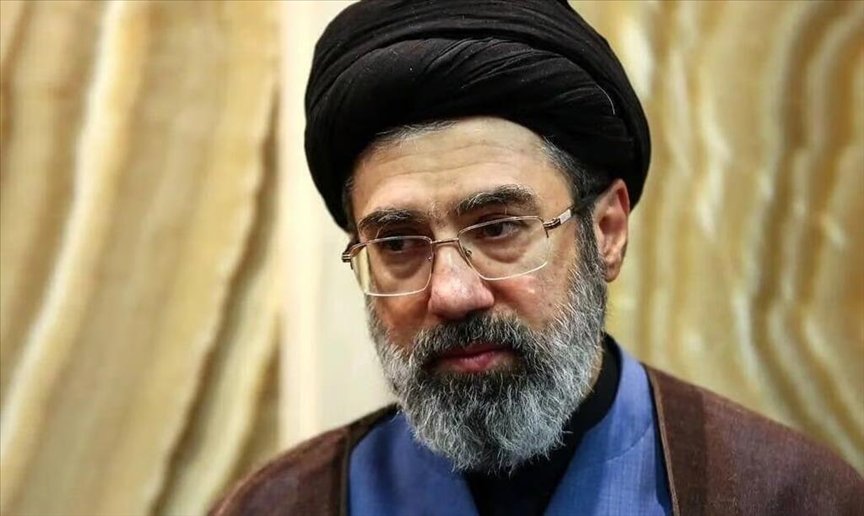
The question centres on whether Mojtaba Khamenei, the younger son of Iran's Supreme Leader Ayatollah Ali Khamenei, will depart Iranian territory at any point before the end of April 2026. The 0% implied probability reflects the extreme rarity of such an occurrence and the absence of any credible reporting suggesting imminent travel plans. Mojtaba holds significant influence within Iran's security apparatus and has been groomed as a potential successor to his father, making any extended absence politically sensitive.
Historical precedent offers limited guidance. Members of Iran's supreme leadership rarely travel abroad, particularly those positioned within the succession hierarchy. When senior Iranian officials do leave the country, it typically occurs during periods of relative stability or for specific diplomatic purposes. Mojtaba has made occasional international trips—including documented visits to Syria and Iraq—but these have been brief and operationally focused rather than extended absences. The consensus at 0% reflects the structural reality that a prolonged departure would signal either severe internal instability or a dramatic shift in his political standing, neither of which current reporting suggests is imminent.
Traders monitoring this market should track developments in Iran's internal power dynamics, particularly any signs of succession disputes or health concerns affecting the 85-year-old Supreme Leader. Announcements regarding Mojtaba's official duties, military appointments, or public appearances would provide early signals of any status change. International sanctions escalation or military tensions could theoretically create conditions forcing leadership relocation, though Iran's historical response has been to consolidate rather than disperse senior figures. The settlement window's April 2026 endpoint means only fourteen months remain for a low-probability event to materialise.
Methodology
We track Mojtaba Khamenei leaves Iran by 2026? on the five venues with material liquidity for prediction markets. Live odds come from the Polymarket Polygon order book — the only source that ships real-time data under an open licence. For Kalshi, Betfair and Manifold we list platform attributes (fee, KYC, settlement, payment) instead of fabricated odds, because their APIs use non-comparable contract definitions.
Resolution & payout
At resolution the UMA oracle takes over: a proposer posts the outcome with a bond, any token holder can dispute within two hours. Without dispute the result is accepted and the smart contract distributes USDC instantly.
On Kalshi (CFTC-regulated) resolution runs through their in-house clearing engine in USD. Betfair Exchange settles after match end in the account's local currency. Manifold pays no cash — only its in-platform "mana" currency.
FAQ
- What's the difference between YES and NO shares?
- A YES share pays $1.00 if the event happens, $0 otherwise. A NO share pays $1.00 if the event doesn't happen. The market price between 0¢ and 100¢ is the implied probability.
- What does it cost to trade on Who Will Win?
- Zero. Who Will Win routes every order to the live Polymarket order book; the only cost is the Polygon network fee, typically under $0.01 per transaction.
- How fast are USDC deposits?
- Polygon credits deposits after 12 confirmations — usually under 30 seconds. Withdrawals follow the same path and land back in your wallet within minutes.
- Do I need to KYC for this market?
- Not under $1,500 of lifetime trading volume. Above that threshold, Who Will Win triggers a quick verification flow that finishes in minutes.
- How reliable are the quoted odds?
- The YES/NO percentages are the live mid-prices of the Polymarket order book. On deep markets they move every few seconds; on thinner ones you'll see short plateaus.
%22%2F%3E%3Cpath%20d%3D%22M%206%2066%20A%2026%2026%200%200%201%2058%2066%22%20fill%3D%22%23E6B98D%22%20opacity%3D%220.9%22%2F%3E%3Ccircle%20cx%3D%2232%22%20cy%3D%2226%22%20r%3D%2222%22%20fill%3D%22%23F5CBA7%22%2F%3E%3Crect%20x%3D%2214%22%20y%3D%224%22%20width%3D%2236%22%20height%3D%228%22%20rx%3D%224%22%20fill%3D%22%23facc15%22%2F%3E%3C%2Fsvg%3E) and
and%22%2F%3E%3Cpath%20d%3D%22M%206%2066%20A%2026%2026%200%200%201%2058%2066%22%20fill%3D%22%23E6B98D%22%20opacity%3D%220.9%22%2F%3E%3Ccircle%20cx%3D%2232%22%20cy%3D%2226%22%20r%3D%2222%22%20fill%3D%22%23F5CBA7%22%2F%3E%3Crect%20x%3D%2210%22%20y%3D%224%22%20width%3D%2244%22%20height%3D%2214%22%20rx%3D%227%22%20fill%3D%22%23facc15%22%20opacity%3D%220.9%22%2F%3E%3Crect%20x%3D%228%22%20%20y%3D%2218%22%20width%3D%228%22%20%20height%3D%2218%22%20rx%3D%224%22%20fill%3D%22%23facc15%22%20opacity%3D%220.7%22%2F%3E%3Crect%20x%3D%2248%22%20y%3D%2218%22%20width%3D%228%22%20%20height%3D%2218%22%20rx%3D%224%22%20fill%3D%22%23facc15%22%20opacity%3D%220.7%22%2F%3E%3C%2Fsvg%3E)
Trade Mojtaba Khamenei leaves Iran by 2026? on Who Will Win
Live order book, 0% fees, USDC settlement in seconds.
Trade on Who Will Win →